For a long time, I paid very little attention to my website. LinkedIn was where I spent my time, and my podcast was the piece of content that kept me consistent. SEO felt like something for bigger businesses with bigger budgets.
That changed when I started thinking about how I was using tools like ChatGPT to find answers. If I was looking for help there, what were the B2B marketers I wanted to work with doing? Was my business showing up when and where they needed it?
It made me rethink where I was putting my effort. I’d sometimes drifted into creating LinkedIn content based on what I felt like sharing or what might get more likes. I needed to focus more on what would help someone choose to work with us.
That’s why I invited Sam Dunning, founder of Breaking B2B onto the Social Media for B2B Growth Podcast. His “deadly trio” combines LinkedIn organic and paid, YouTube, and SEO for Google and AI search. Each has a job, but the value comes from how they work together.
In this article, you’ll learn how to:
- Find questions that signal a buyer needs your help
- Turn those questions into useful website and video content
- Connect LinkedIn activity to the wider buying journey
- Choose a manageable place to start
This article is inspired by an episode of the Social Media for B2B Growth Podcast. Listen or watch to get the full impact of this conversation. Listen on Apple Podcasts
1. Give LinkedIn, YouTube and AI Search Different Jobs
Sam describes his “Deadly Trio” this way:
- LinkedIn builds awareness and keeps you familiar with the people your business wants to reach.
- Search (SEO/AEO) helps capture demand when someone is actively looking for a solution.
- YouTube adds another layer of trust by letting people see and hear how he approaches the problems he solves.
Think about what that could look like for your organisation.
A buyer sees an employee’s LinkedIn post, later finds a useful page on your website while comparing options, then watches a video explaining your approach. By the time they contact sales, they’ve had several opportunities to understand your business.
That’s one possible journey, rather than a fixed sequence everyone follows.
Tip – The practical question is whether your channels help buyers build that understanding, or whether each team is publishing with little connection to the others.

2. Find Buyer Questions Before Choosing Content Topics
Before planning another month of posts, speak to the people who hear from customers every day. Your sales, customer service and support teams can tell you what buyers are trying to solve, what makes them hesitate and what finally prompts them to look for help.
Sam uses a “money keyword matrix” to organise four types of information:
- The words buyers use to describe your product or service
- The industries or customer groups you serve best
- The competitors buyers compare you with
- The problems that cause them to seek a solution
You don’t need a complicated setup to start. Review recent sales conversations and look for repeated questions. AI can help organise transcripts, but your team still needs to check the findings against what’s happening in real customer conversations.
Tip – For example, “LinkedIn marketing” is a broad topic and search term. “LinkedIn Company Page training for a global marketing team” describes a much more specific need. The second may attract fewer people, but it’s closer to the work your business actually wants to win.

3. Match Website and YouTube Content to the Buyer’s Question
Finding a useful question doesn’t mean every answer should become a blog. Someone comparing suppliers needs different information from someone trying to understand how a service works.
Sam’s advice is to review what already appears for the search you want to be found for.
Are buyers being shown comparison articles, service pages, reviews or practical guides?
That gives you a starting point for the format, then your job is to make the answer useful through your own experience, examples and evidence.
Build the relevant answer on your website, where you can explain your offer clearly and give buyers a sensible next step. If video would help demonstrate the answer, create a YouTube video around the same question and embed it where it adds value.
For a training provider, that might mean a page explaining who the training is for and what it covers, supported by a video showing how the trainer approaches a common problem. The written content gives buyers details to review. The video helps them get a feel for the expertise behind it.

4. Use LinkedIn Organic and Paid to Reach the Right Buyers
LinkedIn fits into this system because it gives your business opportunities to show its expertise before someone starts looking for a supplier. Your Company Page can share customer evidence and explain your approach, while employees and leaders bring their experience to the conversation.
This is where the Power of Two matters.
Start with the same buyer problem, then let the Page and your people contribute in ways that suit their roles. A case study on the Page might explain the result. A subject matter expert’s post might explain the decision that helped achieve it.
Sam added LinkedIn ads after organic content was already bringing in opportunities. Paid distribution helped him put proven content in front of more relevant people, including website visitors and audiences who didn’t yet know the business.
It took longer than he expected to see results. Thankfully, George Coudounaris talked him into sticking with it.
The lesson for marketers is to agree on the audience, budget, purpose and review period before spending.
Tip: Paid can expand distribution, but buyers still need time and useful reasons to trust you.
5. Start With One Buyer Problem and a Connected Plan
You don’t need to launch three large programmes at once. Start with a problem your business solves well, confirm how buyers research it, and build a small set of connected content around it.
Over the next 90 days, your team could:
- Review sales conversations and choose one recurring buying question
- Publish the right website page to answer it
- Create a video if seeing the explanation would help
- Share relevant proof and perspectives through LinkedIn
- Review qualified enquiries and what buyers say influenced them
Treat 90 days as a period to establish the process and look for progress. Rankings, views and impressions can show visibility, but they don’t prove pipeline.
Keep checking whether the right people are finding you and whether the content helps sales conversations move forward.
Final Thoughts
The biggest change for me has been thinking more carefully about what buyers need from my content. I’m producing more with a clearer purpose, and it feels more manageable because the work connects.
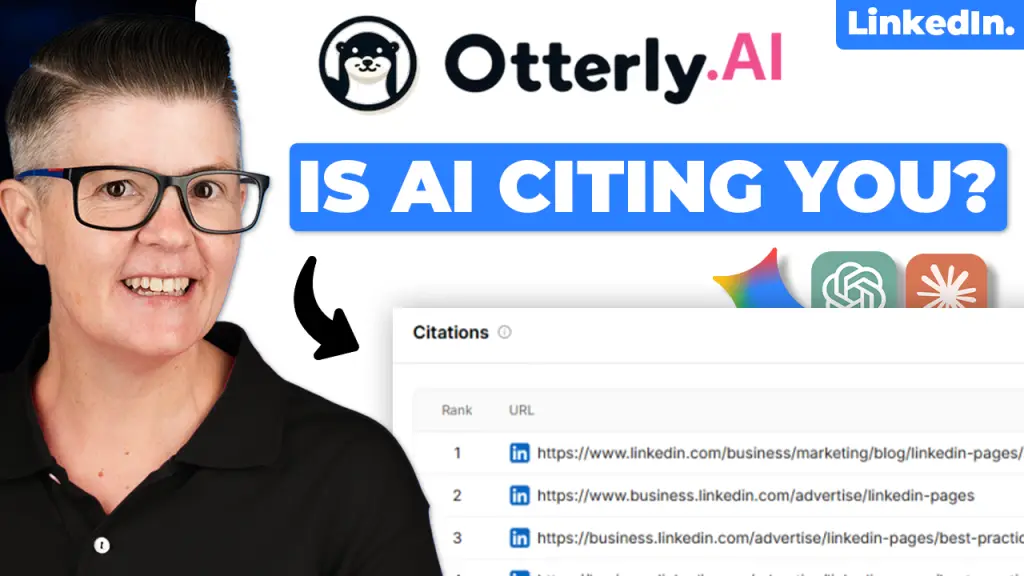
LinkedIn still has an important role. Especially now that we have the bonus of LinkedIn Profiles, Company Pages, posts, and articles/newsletters being cited directly in AI answers.
What’s changed is how I think about its relationship with the rest of my marketing.
Your website, videos, Company Page and people should help buyers understand the same business, wherever they encounter it.
Ready to take action? Choose one question your sales team keeps hearing. How well does your content answer it today?
Cheers!
Michelle J Raymond
PS: Want to hear my LinkedIn updates first? Subscribe to b2bgrowthco.com/newsletter