white-star

Make Global LinkedIn Strategy Easier to Execute

x-icon

Give Every Market a Clearer Way to Contribute

Give Every Market a Clearer Way to Contribute

Global LinkedIn strategies become harder to execute when regions, business units and teams interpret them differently.

Our LinkedIn training gives B2B marketing teams a shared framework for making better decisions while preserving the market knowledge and local relevance that global organisations need.

Your teams learn how to connect Company Pages, leaders and employees to one strategic direction without forcing every market to communicate in exactly the same way.

LINKEDIN TRAINING WITH MICHELLE J RAYMOND
x-icon

This Is For You If...

Your Global Strategy Is Being Interpreted Differently in Every Market.

This training is designed for global B2B organisations that need to:

  • Translate global LinkedIn strategy into clearer actions for regional and local teams
  • Establish shared standards without creating rigid global templates
  • Clarify decision-making between global, regional and local marketing teams
  • Define how Company Pages, leaders and employees support different business priorities
  • Reduce duplicated activity and competing content across markets
  • Give local teams more confidence to make decisions without constant central approval
  • Improve collaboration between Page owners, subject matter experts and employee advocates
  • Create a more scalable approach as LinkedIn activity grows across the organisation
megaphone-icon-services

Turn Global Direction Into Better Local LinkedIn Decisions

Turn Global Direction Into Better Local LinkedIn Decisions

Global teams don’t need every market doing exactly the same thing. They need clear principles that help people understand what should stay consistent, what can flex and who should make the decision.

This training gives your team clarity on:

  • Which LinkedIn principles should remain consistent across the organisation
  • Where regional and local teams should adapt activity for their markets
  • How global, regional and local responsibilities should be divided
  • What the Company Page, leaders and employees should each contribute
  • How to handle competing priorities, content requests and stakeholder expectations
  • How to build stronger LinkedIn capability without centralising every decision
  •  

The result is a more scalable LinkedIn approach: global teams provide direction, local teams have the confidence to act and the organisation stays connected around shared business priorities.

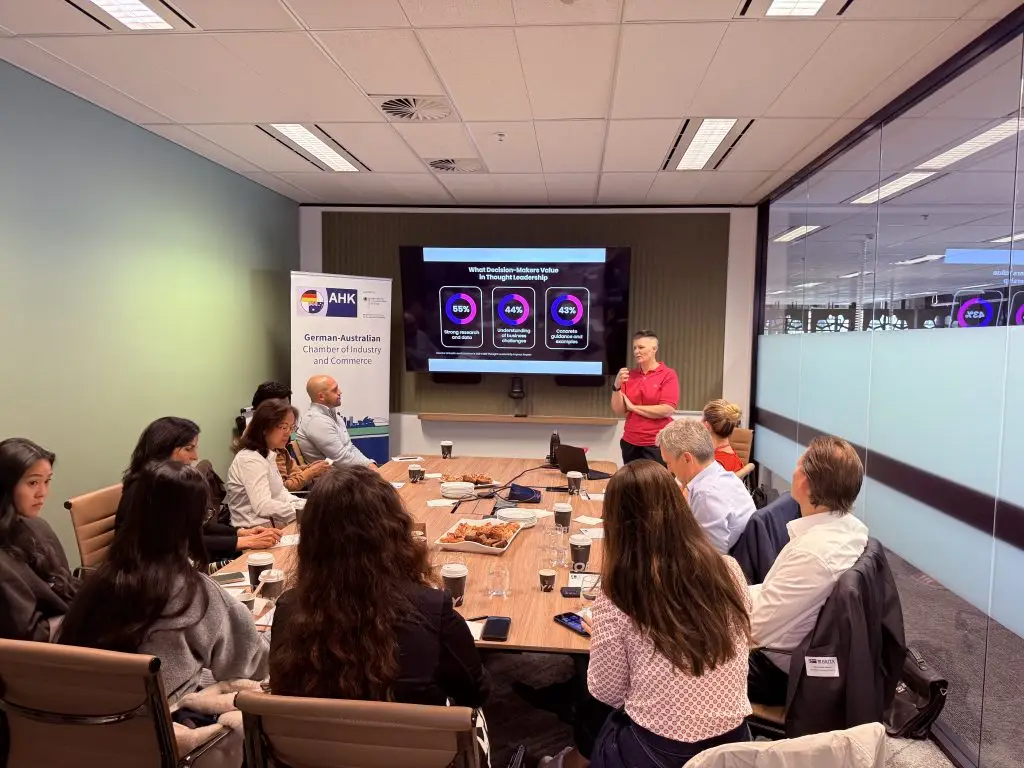
Michelle J Raymond SMMW25 Speaking

What Global Teams Gains From LinkedIn Training

B2BGCo-Illustrations-_Training
star-icon

Clearer Roles

Make it clear what global, regional and local teams should each lead.

star-icon

Stronger Alignment

Keep markets working in the same direction without forcing identical execution.

star-icon

Better Priorities

Help teams focus on the LinkedIn activity most likely to support business goals.

star-icon

Smarter Scale

Make it easier to grow LinkedIn activity across markets without adding confusion.

cog-3
blue-star-icon

LinkedIn Team & Employee Activation Services

Build the people side of The Power of Two with the right mix of guardrails, training and thought leadership support.

Give employees and leaders clear guardrails, practical guidance and greater confidence to participate on LinkedIn.

Best for: Governance and consistency

Build the LinkedIn skills, confidence and habits employees need to contribute more effectively to your brand and business goals.

Best for: Team capability

Help leaders and subject matter experts build greater visibility, authority and a consistent presence on LinkedIn.

Best for: Leader and expert visibility

cog-2
x-icon

FAQ's

The training helps global teams agree on the principles that should stay consistent while giving local markets room to adapt for their buyers, culture and business priorities. The goal is alignment, not identical execution.

The training helps clarify where different LinkedIn decisions should sit, from Company Page activity and content priorities to employee participation and local market execution. That gives teams more confidence to act without creating unnecessary approval layers.

Yes. Global teams often lose time when different regions, Pages or contributors are working on similar activity without a shared view of priorities. The training helps teams see where activity should connect, where it should stay separate and how to avoid unnecessary duplication.

The training gives teams practical frameworks they can keep using after the session. This makes it easier to expand activity across more markets and contributors without every decision having to come back to a central team.

The training helps define where leaders, subject matter experts and employees can add the most value and what support they actually need. The aim is to create useful participation without turning marketing into the permanent content engine for everyone else.

Look for stronger alignment, clearer ownership, better market decisions, less duplicated activity and more relevant engagement from the audiences that matter. Those signals are more useful than judging success on attendance, impressions or follower growth alone.

Client Testimonials

services-testimonial-icon